
كيف غيّرت التطبيقات عالم التجارة الإلكترونية؟
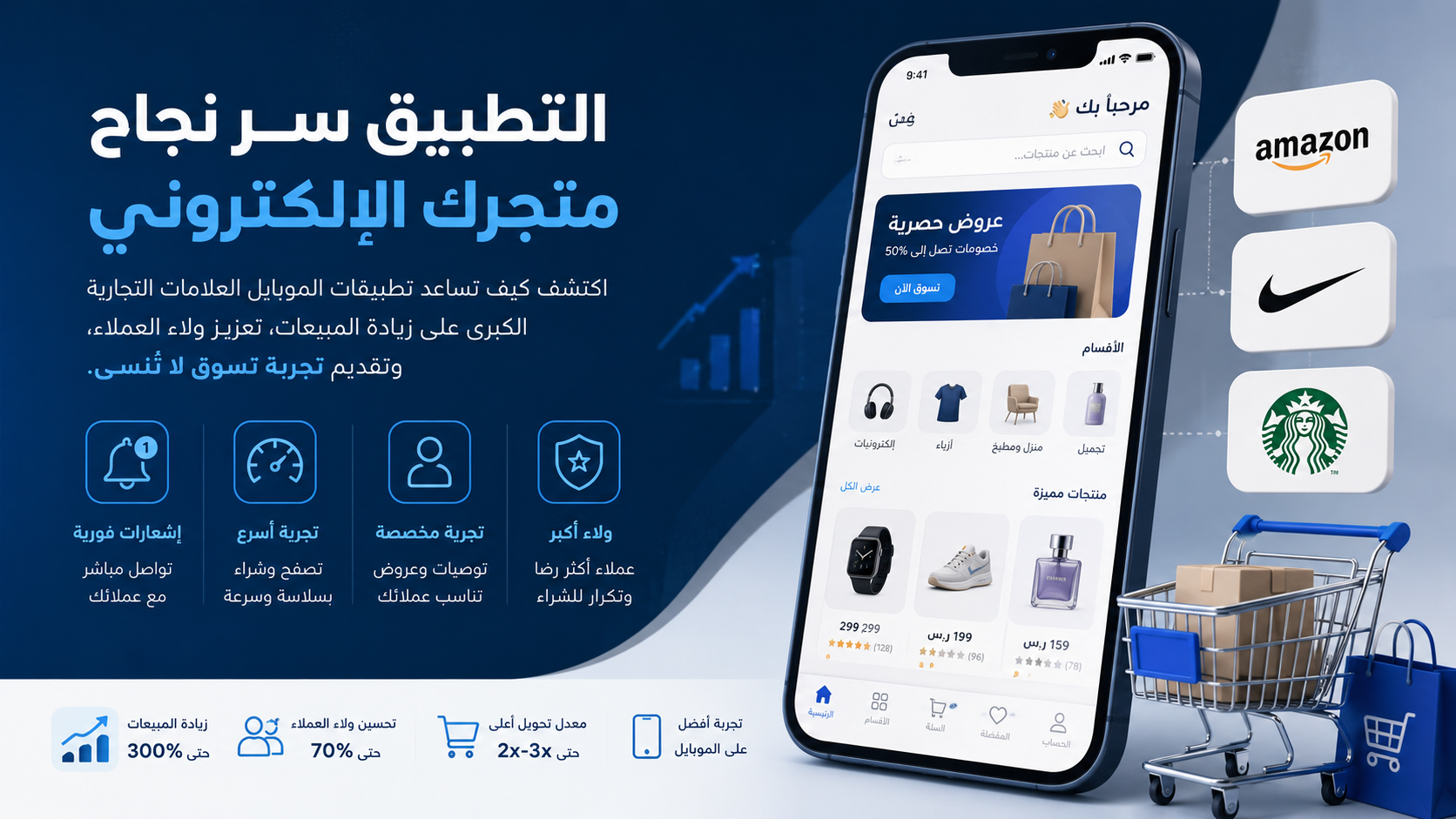
في عصر أصبحت فيه الهواتف الذكية جزءًا لا يتجزأ من حياة العملاء، لم يعد امتلاك متجر إلكتروني كافيًا لتحقيق النجاح. بل أصبح امتلاك تطبيق موبايل خاص بمتجرك هو العامل الفارق بين النمو السريع والبقاء في المنافسة.
الكثير من العلامات التجارية العالمية لم تصل إلى ما هي عليه اليوم إلا بفضل استثمارها الذكي في تطبيقات الموبايل. والسؤال هنا: كيف يمكنك الاستفادة من نفس الاستراتيجية لمتجرك؟
لماذا تعتمد العلامات التجارية الناجحة على التطبيقات؟
1. تجربة مستخدم أسرع وأسهل
التطبيقات توفر تجربة سلسة وسريعة مقارنة بالمواقع، مما يقلل من معدل الارتداد ويزيد من احتمالية الشراء.
2. الوصول المباشر إلى العملاء
من خلال الإشعارات (Push Notifications)، يمكنك التواصل مع عملائك في أي وقت، مما يعزز فرص البيع الفوري.
3. زيادة ولاء العملاء
التطبيق يجعل علامتك التجارية دائمًا في متناول يد العميل، مما يعزز التفاعل والولاء.
أمثلة لعلامات تجارية نجحت بفضل تطبيقاتها
1. Amazon: السر في السهولة والسرعة
تطبيق Amazon يوفر تجربة شراء سلسة، توصيات ذكية، وإشعارات مخصصة — مما جعله الخيار الأول لملايين المستخدمين.
النتيجة: زيادة هائلة في معدلات التحويل والشراء المتكرر.
2. Nike: تجربة مخصصة لكل عميل
تطبيق Nike لا يبيع فقط المنتجات، بل يقدم تجربة شخصية لكل مستخدم بناءً على اهتماماته وسلوكياته.
النتيجة: تعزيز الولاء وزيادة قيمة العميل على المدى الطويل.
3. Starbucks: التطبيق الذي يبيع أكثر من القهوة
تطبيق Starbucks يدمج بين الطلب والدفع ونظام المكافآت.
النتيجة: نسبة كبيرة من المبيعات تأتي مباشرة من التطبيق.
ماذا يعني هذا لمتجرك الإلكتروني؟
إذا كنت تمتلك متجرًا على CS-Cart، فأنت بالفعل في موقع قوي. لكن بدون تطبيق، أنت تفوّت فرصًا كبيرة مثل:
- زيادة المبيعات من المستخدمين على الهاتف
- تحسين تجربة المستخدم
- بناء علاقة طويلة الأمد مع العملاء
- الاستفادة من الإشعارات المباشرة
لماذا تطبيق جاهز هو الحل الأفضل؟
1. توفير الوقت
بدلاً من تطوير تطبيق من الصفر، يمكنك إطلاق تطبيقك خلال أيام.
2. تقليل التكلفة
التطبيقات الجاهزة أقل تكلفة بكثير من التطوير المخصص.
3. سهولة التخصيص
يمكنك تخصيص التطبيق ليعكس هوية علامتك التجارية بالكامل.
كيف يساعدك ShopTrix؟
في ShopTrix، نحن متخصصون في تحويل متاجر CS-Cart إلى تطبيقات موبايل احترافية.
- تطبيق جاهز للإطلاق
- تصميم متوافق مع علامتك التجارية
- تجربة مستخدم سلسة
- دعم فني مستمر
الخلاصة
التطبيقات لم تعد رفاهية، بل أصبحت ضرورة لأي متجر يريد:
- زيادة المبيعات
- تحسين تجربة العملاء
- بناء ولاء طويل الأمد
إذا كنت تريد أن تضع متجرك في جيب عملائك — فالتطبيق هو الطريق.
تواصل معنا الآن أو اطلب تطبيقك الخاص وابدأ رحلتك نحو نمو حقيقي ????
متى يحتاج صاحب المتجر الإلكتروني إلى إنشاء تطبيق موبايل؟
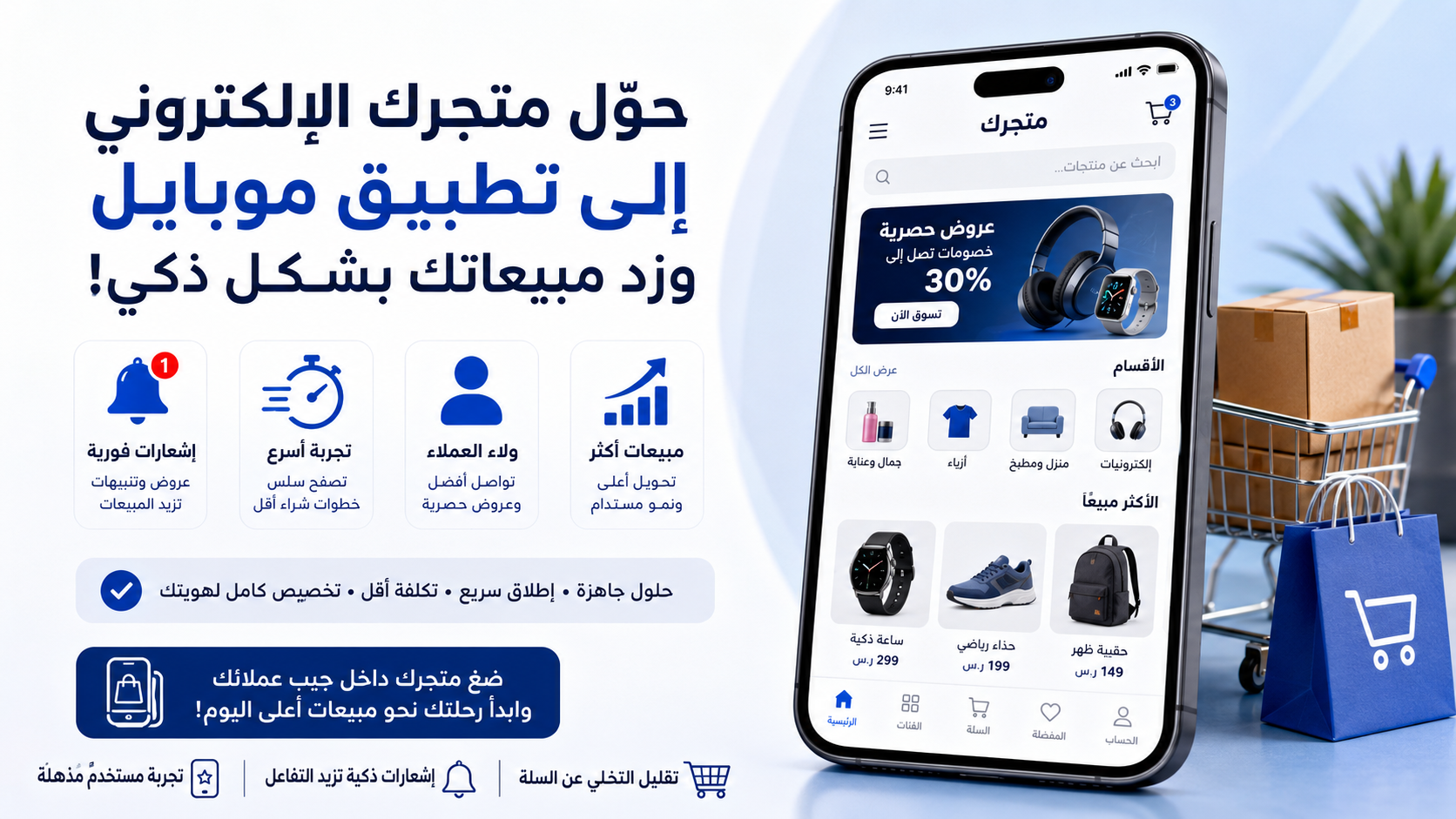
في عالم التجارة الإلكترونية اليوم، لم يعد امتلاك متجر إلكتروني كافيًا لتحقيق النجاح والنمو المستمر. المنافسة تزداد يومًا بعد يوم، وسلوك العملاء يتغير بسرعة — خاصة مع الاعتماد الكبير على الهواتف الذكية.
السؤال الأهم هنا: هل حان الوقت لتحويل متجرك إلى تطبيق موبايل؟
في هذا المقال، سنساعدك على تحديد اللحظة المناسبة لاتخاذ هذه الخطوة، ولماذا يمكن أن تكون واحدة من أفضل قراراتك الاستثمارية.
لماذا أصبح تطبيق الموبايل ضرورة وليس رفاهية؟
معظم العملاء اليوم يتصفحون ويشترون عبر هواتفهم. لكن تجربة التصفح عبر المتصفح (Browser) لا تضاهي تجربة التطبيق.
الفرق الحقيقي يكمن في:
- السرعة
- سهولة الاستخدام
- التفاعل المباشر
- التواجد الدائم على جهاز العميل
وجود تطبيق يعني أن متجرك أصبح جزءًا من الحياة اليومية للعميل، وليس مجرد موقع يزوره عند الحاجة.
علامات تدل أنك بحاجة إلى تطبيق موبايل
1. ارتفاع عدد زيارات الموبايل
إذا لاحظت أن أكثر من 60–70% من زوار متجرك يستخدمون الهواتف، فهذا مؤشر واضح.
لماذا مهم؟ لأن التطبيق يقدم تجربة أسرع وأسهل، مما يزيد من احتمالية الشراء.
2. انخفاض معدل التحويل (Conversion Rate)
هل لديك زيارات كثيرة ولكن المبيعات أقل من المتوقع؟ المشكلة غالبًا في تجربة المستخدم.
التطبيق يحل هذه المشكلة من خلال:
- تصفح أسرع
- خطوات شراء أقل
- حفظ بيانات العميل
3. رغبتك في زيادة ولاء العملاء
التطبيق ليس فقط للبيع — بل لبناء علاقة طويلة الأمد.
من خلال التطبيق يمكنك:
- إرسال إشعارات فورية بالعروض
- تقديم خصومات حصرية
- تحسين تجربة ما بعد الشراء
وهذا يؤدي إلى زيادة العودة للشراء ورفع قيمة العميل على المدى الطويل.
4. لديك عملاء متكررين
إذا كان لديك قاعدة عملاء تعود للشراء أكثر من مرة، فالتطبيق سيضاعف النتائج لأنه يجعل عملية الشراء أسرع وأسهل.
5. تريد التميز عن المنافسين
امتلاك تطبيق يعني صورة احترافية أقوى وثقة أكبر لدى العملاء وميزة تنافسية واضحة.
كيف يساعد التطبيق في زيادة المبيعات؟
تجربة مستخدم أفضل = مبيعات أكثر
التطبيقات مصممة خصيصًا للهواتف، مما يعني تحميل أسرع وتصفح سلس وعرض منتجات بشكل جذاب.
الإشعارات الذكية (Push Notifications)
يمكنك الوصول إلى عميلك في أي وقت عبر:
- عروض فورية
- تذكير بسلة المشتريات
- إطلاق منتجات جديدة
وهذا يؤدي إلى زيادة مباشرة في المبيعات.
تقليل التخلي عن سلة الشراء
- حفظ السلة
- تذكير المستخدم
- تسهيل الدفع
ماذا عن التكلفة والوقت؟
إنشاء تطبيق لم يعد كما كان في السابق.
مع الحلول الجاهزة (مثل تحويل متجر CS-Cart إلى تطبيق):
- إطلاق سريع خلال أيام
- تكلفة أقل بكثير من التطوير التقليدي
- تخصيص كامل لهوية علامتك التجارية
لماذا يعتبر التطبيق استثمارًا ذكيًا؟
- زيادة ولاء العملاء
- تحسين تجربة المستخدم
- تقليل تكاليف التسويق على المدى الطويل
- بناء علامة تجارية أقوى
هل كل متجر يحتاج تطبيق؟
ليس بالضرورة، لكنك تحتاجه إذا:
- لديك زيارات جيدة
- لديك عملاء متكررين
- تريد النمو والتوسع
- تهدف لبناء علامة تجارية قوية
الخلاصة
تطبيق الموبايل لم يعد خيارًا إضافيًا، بل أداة استراتيجية للنمو.
إذا كنت جادًا في زيادة مبيعاتك، تحسين تجربة عملائك، وبناء علاقة طويلة معهم — فقد حان الوقت للتفكير في تحويل متجرك إلى تطبيق.
???? تواصل معنا الآن أو اطلب نسختك التجريبية، ودعنا نساعدك في وضع متجرك داخل جيب عملائك!
اكتشف كيف يمكن لتطبيقات الجوال أن تعزز مبيعات متجرك الإلكتروني وتحسن تجربة العملاء وتزيد من الولاء.
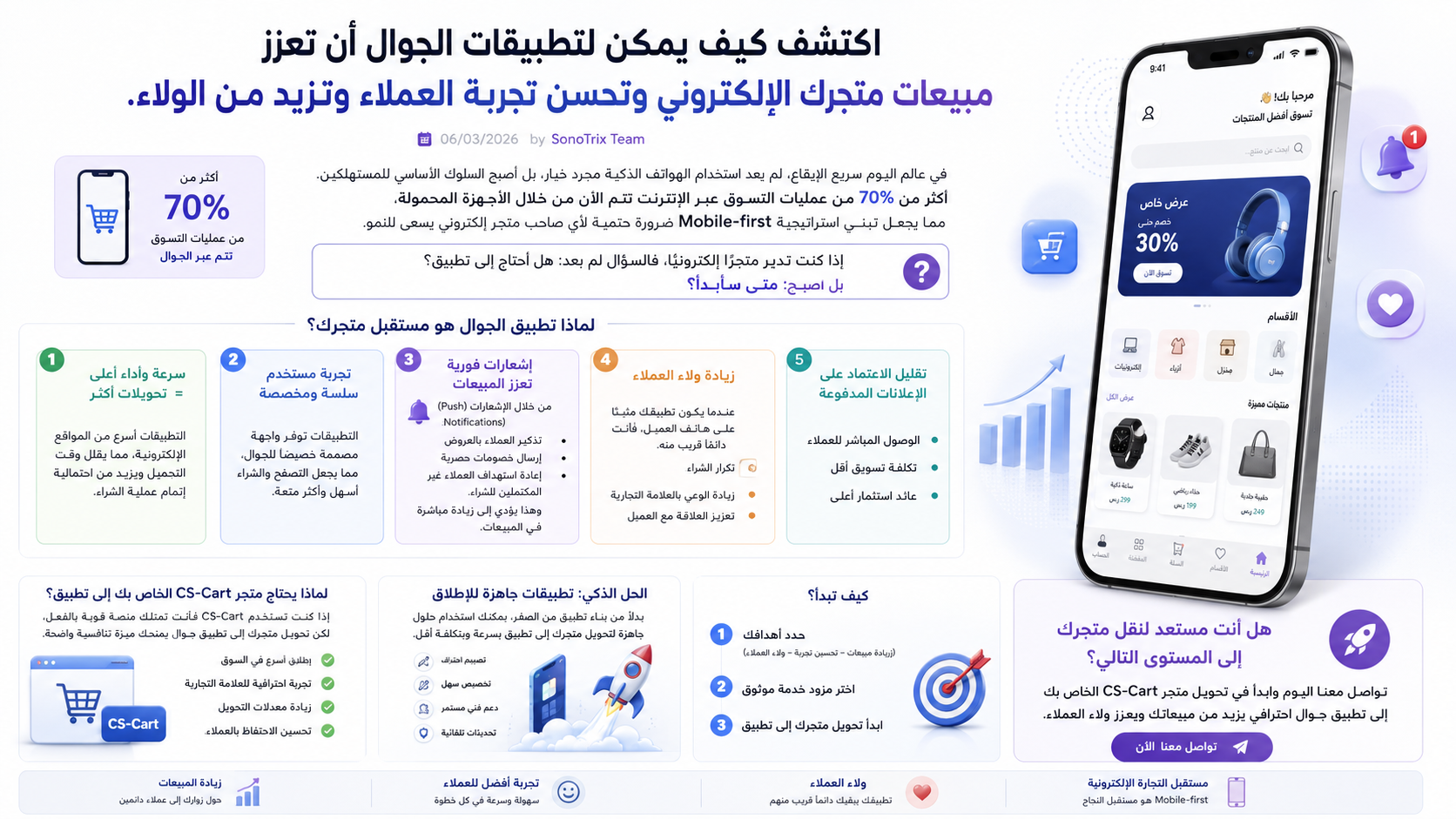
في عالم اليوم سريع الإيقاع، لم يعد استخدام الهواتف الذكية مجرد خيار، بل أصبح السلوك الأساسي للمستهلكين. أكثر من 70% من عمليات التسوق عبر الإنترنت تتم الآن من خلال الأجهزة المحمولة، مما يجعل تبني استراتيجية Mobile-first ضرورة حتمية لأي صاحب متجر إلكتروني يسعى للنمو.
إذا كنت تدير متجرًا إلكترونيًا، فالسؤال لم يعد: هل أحتاج إلى تطبيق؟
بل أصبح: متى سأبدأ؟
ما المقصود بـ Mobile-First في التجارة الإلكترونية؟
تعني استراتيجية Mobile-first تصميم تجربة المستخدم بحيث تكون موجهة بالأساس لمستخدمي الهواتف الذكية قبل أي جهاز آخر.
لكن الأمر لا يتوقف عند تحسين الموقع ليتوافق مع الجوال، بل يتجاوز ذلك إلى إنشاء تطبيق مخصص يوفر تجربة أسرع وأكثر سلاسة وتفاعلًا.
لماذا تطبيق الجوال هو مستقبل متجرك؟
1. سرعة وأداء أعلى = تحويلات أكثر
التطبيقات أسرع من المواقع الإلكترونية، مما يقلل وقت التحميل ويزيد من احتمالية إتمام عملية الشراء. كل ثانية تأخير قد تعني خسارة عميل محتمل.
2. تجربة مستخدم سلسة ومخصصة
التطبيقات توفر واجهة مصممة خصيصًا للجوال، مما يجعل التصفح والشراء أسهل وأكثر متعة. كما يمكن تخصيص التجربة حسب سلوك المستخدم.
3. إشعارات فورية تعزز المبيعات
من خلال الإشعارات (Push Notifications) يمكنك:
- تذكير العملاء بالعروض
- إرسال خصومات حصرية
- إعادة استهداف العملاء غير المكتملين للشراء
وهذا يؤدي إلى زيادة مباشرة في المبيعات.
4. زيادة ولاء العملاء
عندما يكون تطبيقك مثبتًا على هاتف العميل، فأنت دائمًا قريب منه.
- تكرار الشراء
- زيادة الوعي بالعلامة التجارية
- تعزيز العلاقة مع العميل
5. تقليل الاعتماد على الإعلانات المدفوعة
- الوصول المباشر للعملاء
- تكلفة تسويق أقل
- عائد استثمار أعلى
لماذا يحتاج متجر CS-Cart الخاص بك إلى تطبيق؟
إذا كنت تستخدم CS-Cart، فأنت تمتلك منصة قوية بالفعل، لكن تحويل متجرك إلى تطبيق جوال يمنحك ميزة تنافسية واضحة.
- إطلاق أسرع في السوق
- تجربة احترافية للعلامة التجارية
- زيادة معدلات التحويل
- تحسين الاحتفاظ بالعملاء
الحل الذكي: تطبيقات جاهزة للإطلاق
بدلًا من بناء تطبيق من الصفر، يمكنك استخدام حلول جاهزة لتحويل متجرك إلى تطبيق بسرعة وبتكلفة أقل.
- تصميم احترافي
- تخصيص سهل
- دعم فني مستمر
- تحديثات تلقائية
كيف تبدأ؟
- حدد أهدافك (زيادة مبيعات – تحسين تجربة – ولاء العملاء)
- اختر مزود خدمة موثوق
- ابدأ تحويل متجرك إلى تطبيق
تواصل معنا اليوم وابدأ في تحويل متجر CS-Cart الخاص بك إلى تطبيق جوال احترافي يزيد من مبيعاتك ويعزز ولاء العملاء.
The Importance of Having a Mobile Application for E-Commerce
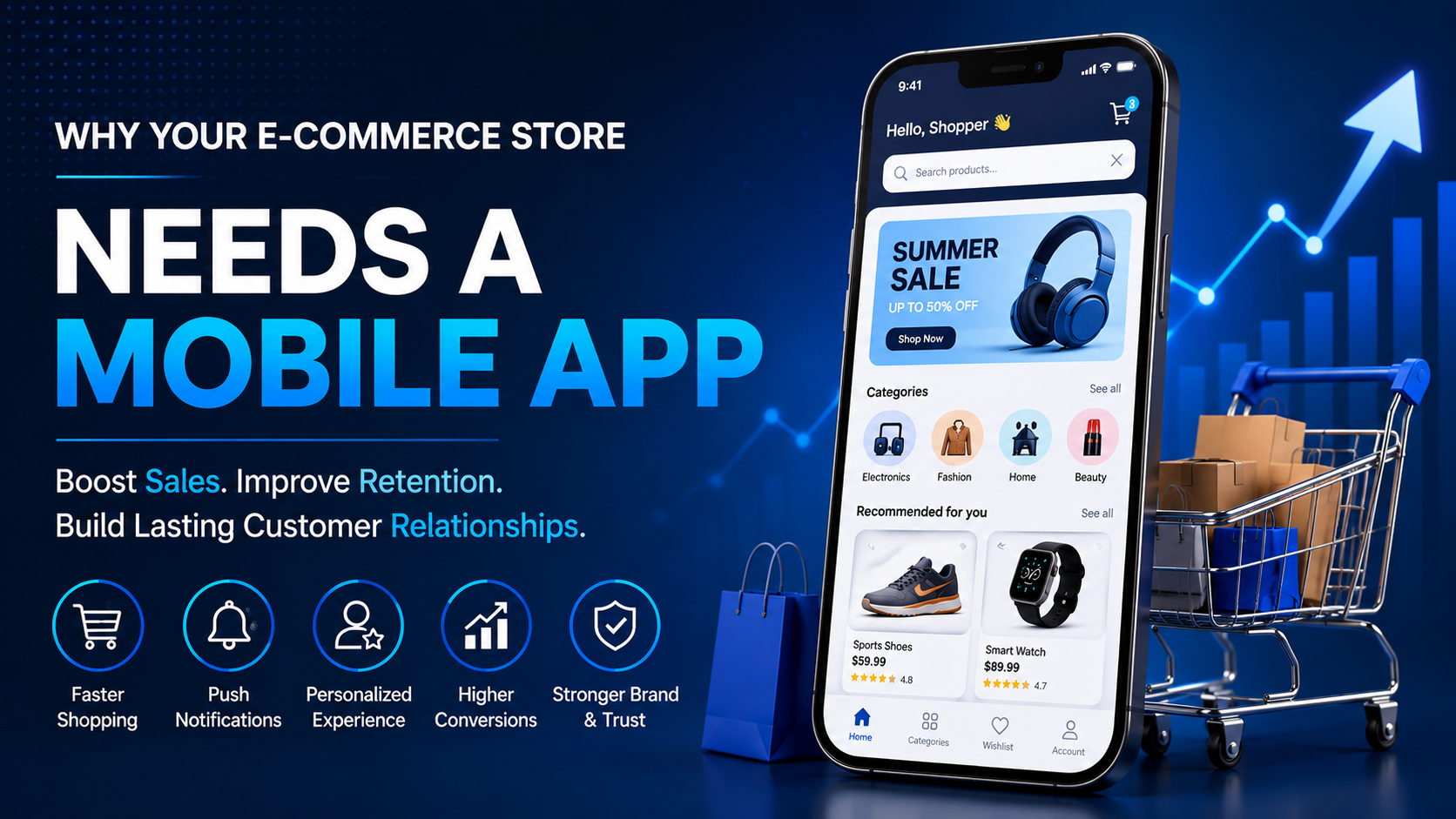
In today’s fast-paced digital landscape, convenience is king. Customers expect seamless, fast, and personalized shopping experiences—and increasingly, they expect those experiences on their mobile devices. While mobile-friendly websites are essential, they are no longer enough.
For e-commerce businesses looking to scale, improve customer retention, and maximize revenue, investing in a mobile application is no longer optional—it’s a strategic necessity.
Let’s explore why.
The Rise of Mobile Commerce
Mobile commerce (m-commerce) has transformed the way people shop. With smartphones always within reach, customers prefer browsing, comparing, and purchasing products directly from apps rather than desktop websites.
Key Trends Driving Mobile Shopping
- Increased smartphone usage worldwide
- Faster mobile internet speeds
- Growing trust in mobile payments
- Preference for convenience and speed
Businesses that fail to adapt risk losing customers to competitors who offer smoother mobile experiences.
Key Benefits of Having a Mobile App for Your E-Commerce Store
1. Faster and More Convenient Shopping Experience
Mobile apps are significantly faster than websites. They store user preferences, load content quickly, and reduce friction in the buying process.
Business Impact:
- Higher conversion rates
- Reduced cart abandonment
- Improved user satisfaction
2. Improved Customer Retention
A mobile app keeps your brand just one tap away from your customers.
With features like:
- Push notifications
- Personalized offers
- Loyalty programs
You can continuously engage users and bring them back to your store.
Business Impact:
- Increased repeat purchases
- Stronger customer relationships
- Higher lifetime value (LTV)
3. Direct Marketing Channel
Unlike email or social media, mobile apps give you a direct line to your customers.
Push notifications have significantly higher open rates than emails and can be used to:
- Announce promotions
- Highlight new products
- Recover abandoned carts
Business Impact:
- Higher engagement rates
- Increased sales during campaigns
- Better ROI on marketing efforts
4. Personalized Shopping Experience
Mobile apps allow you to collect and analyze user behavior, enabling highly personalized experiences.
You can offer:
- Product recommendations
- Tailored discounts
- Customized content
Business Impact:
- Increased conversion rates
- Enhanced customer satisfaction
- Stronger brand loyalty
5. Enhanced Brand Visibility and Trust
Having a mobile app positions your brand as modern, professional, and customer-focused.
Every time a user sees your app icon on their phone, it reinforces brand awareness.
Business Impact:
- Stronger brand recognition
- Increased trust and credibility
- Competitive advantage
6. Better Performance and Offline Access
Unlike websites, apps can function even with limited or no internet connection for certain features.
This ensures:
- Smooth browsing experience
- Reliable performance
- Reduced frustration
Mobile Apps vs Mobile Websites: What’s the Difference?
While mobile websites are essential, apps provide a superior experience.
| Feature | Mobile Website | Mobile App |
|---|---|---|
| Speed | Moderate | Fast |
| Personalization | Limited | Advanced |
| Notifications | Email only | Push notifications |
| Offline Access | No | Yes |
| User Experience | Good | Excellent |
Conclusion: A mobile website attracts users—but a mobile app retains them.
When Should You Invest in a Mobile App?
A mobile app becomes especially valuable if:
- You have consistent monthly traffic
- You want to improve customer loyalty
- You run frequent promotions
- You aim to scale your business
If your goal is long-term growth, a mobile app is one of the smartest investments you can make.
Real Business Impact of Mobile Apps
E-commerce brands that adopt mobile apps often experience:
- 2x–3x higher conversion rates
- Increased average order value
- Better customer retention
- Higher engagement levels
Simply put: apps turn occasional buyers into loyal customers.
Final Thoughts
The e-commerce landscape is more competitive than ever. Customers expect speed, personalization, and convenience—and mobile apps deliver all three.
If you want to stay ahead, grow your revenue, and build lasting customer relationships, investing in a mobile application is a game-changer.
Contact us today to build your custom mobile app or request a free consultation.
How a Mobile App Can Boost Your Sales and Keep Customers Coming Back
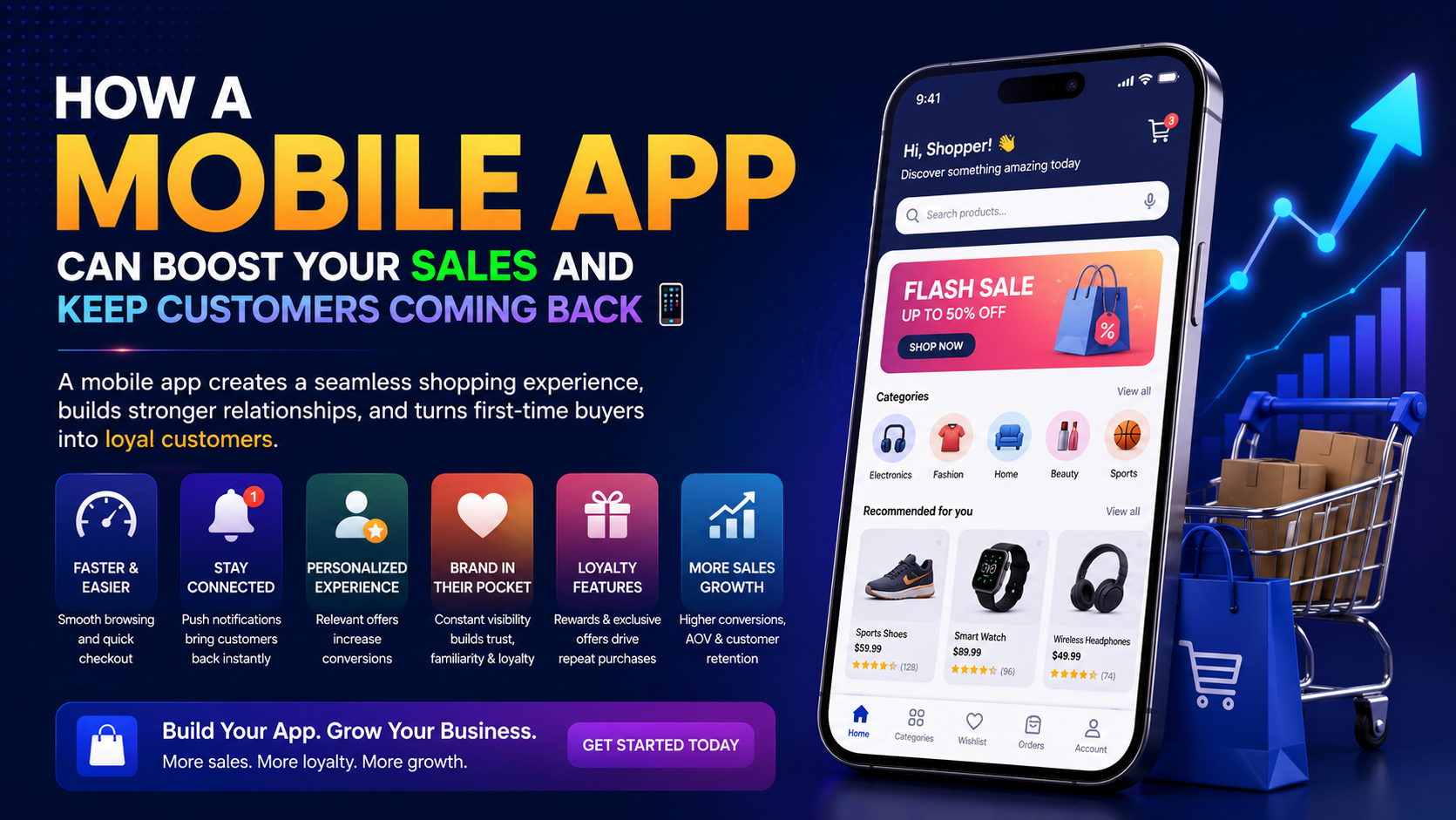
Running an e-commerce store today is more competitive than ever. Customers have endless options, shorter attention spans, and higher expectations. If your store only exists as a website, you might already be losing potential sales without realizing it.
A mobile app is no longer a luxury for big brands — it’s a powerful tool that can help you increase sales, improve customer loyalty, and create a smoother shopping experience.
Let’s break down how it actually makes a difference.
Your Store Becomes Faster and Easier to Use
One of the biggest reasons customers leave a website is friction — slow loading, complicated checkout, or too many steps.
A mobile app removes these problems.
With an app, everything is optimized for mobile users:
- Faster loading times
- Simple navigation
- Quick checkout
This means fewer abandoned carts and more completed purchases.
You Stay Connected with Your Customers 24/7
Unlike websites, mobile apps allow you to send push notifications directly to your customers.
This is a game changer.
You can instantly:
- Promote discounts and flash sales
- Remind users about abandoned carts
- Announce new products
Instead of waiting for customers to come back, you bring them back.
And that leads directly to more sales.
Better Personalization = Higher Conversions
Mobile apps allow you to understand your customers better and tailor their experience.
You can show:
- Personalized product recommendations
- Recently viewed items
- Exclusive offers based on behavior
When customers feel like your store “gets them,” they are far more likely to buy.
Your Brand Stays in Their Pocket
When someone installs your app, your brand becomes part of their daily life.
Your logo is always there — on their phone.
This constant visibility builds:
- Trust
- Familiarity
- Loyalty
And when they’re ready to shop, guess who they’ll open first?
Your app.
Increase Repeat Purchases with Loyalty Features
Keeping a customer is cheaper than getting a new one. A mobile app helps you do exactly that.
You can easily add:
- Loyalty programs
- Reward points
- Exclusive in-app discounts
These features give customers a reason to come back again and again.
A Smoother Experience Builds Long-Term Loyalty
Customers don’t just buy products — they remember experiences.
A clean, fast, and enjoyable app experience makes shopping feel effortless. And when it’s easy, people return.
That’s how retention grows.
The Real Business Impact
When you combine all these advantages, the results are clear:
- Higher conversion rates
- More repeat customers
- Increased average order value
- Stronger customer relationships
A mobile app doesn’t just support your business — it actively drives growth.
Final Thoughts
If you want to stand out in today’s e-commerce world, you need more than just a website.
You need a better way to connect with your customers, simplify their journey, and keep them coming back.
A mobile app does exactly that.
Contact us today or request your mobile app and start increasing your sales ????
Why a Mobile App is the Game-Changer Your E-Commerce Store Is Missing
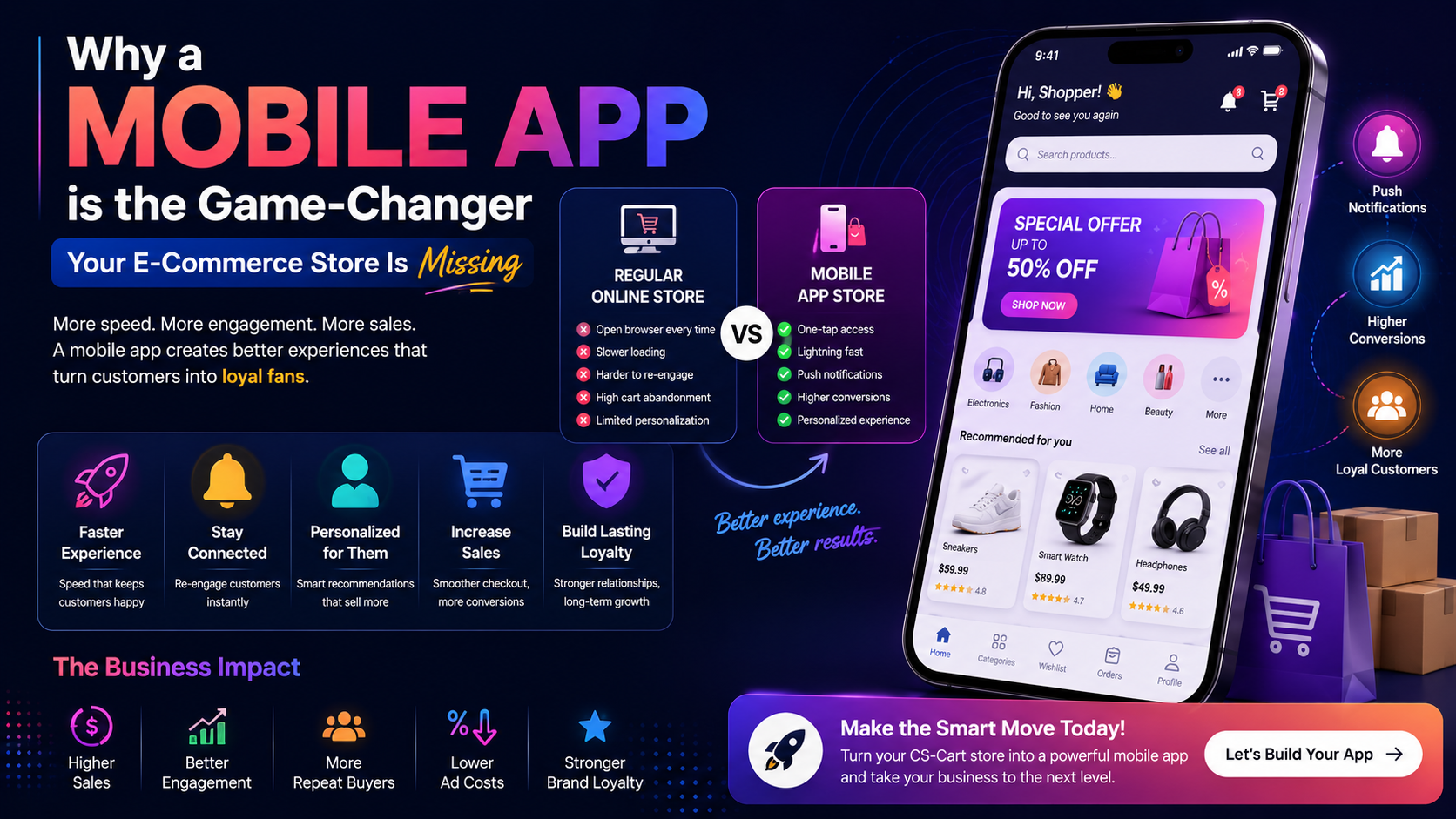
In today’s digital-first world, having a regular online store is no longer enough. Customers are spending more time on mobile devices than ever before, and businesses that fail to adapt risk losing engagement, conversions, and long-term loyalty.
While a traditional e-commerce store is still essential, a mobile app takes your business to an entirely new level—offering speed, convenience, personalization, and retention that a website alone cannot match.
So what exactly is the difference between a regular store and a store with a mobile app? And more importantly, why does it matter for your business growth?
Let’s break it down.
Regular Online Store vs Mobile App Store
1. Accessibility and User Experience
A regular online store relies on browsers. Customers must search, open a tab, and load your website every time they want to shop.
A mobile app, however, is always one tap away.
- No need to open a browser
- Faster load times
- Smooth, app-native experience
- Easier navigation
The result? Less friction and more purchases.
2. Customer Retention Power
Web stores depend heavily on repeat visitors coming back through ads, emails, or search engines.
Mobile apps change the game completely:
- Push notifications bring customers back instantly
- App icons keep your brand visible on their phone
- One-tap reordering increases repeat sales
Studies consistently show that mobile apps outperform websites in customer retention because they stay “present” in the user’s daily life.
3. Personalization That Drives Sales
While websites offer basic personalization, apps take it further:
- Personalized product recommendations
- Behavior-based notifications
- Wishlist reminders
- Location-based offers
This creates a shopping experience that feels tailored to each customer, increasing both engagement and conversion rates.
4. Higher Conversion Rates
Mobile apps eliminate many barriers found in websites:
- Faster checkout processes
- Saved payment methods
- Fewer login steps
- Reduced cart abandonment
Even small improvements in checkout speed can significantly increase revenue over time.
5. Stronger Brand Presence
A website is visited. A mobile app is lived with.
When your brand is installed on a customer’s phone:
- You gain a permanent presence
- You reduce dependency on ads
- You build long-term brand loyalty
This is where real e-commerce growth begins.
Why Businesses Are Moving to Mobile Apps
E-commerce competition is rising, and customer expectations are evolving quickly. Store owners who rely only on web platforms often struggle with:
- High cart abandonment rates
- Low repeat purchase behavior
- Expensive customer acquisition costs
A mobile app solves these challenges by turning occasional buyers into loyal customers.
It’s not just a “nice upgrade”—it’s a strategic business asset.
The Business Impact of Having a Mobile App
Let’s talk results.
Businesses that adopt mobile apps often experience:
- Increased sales through repeat customers
- Higher engagement rates via push notifications
- Better customer retention
- Lower dependency on paid ads
- Stronger brand loyalty
Instead of constantly chasing new traffic, your app helps you maximize the value of the customers you already have.
A Smarter Way Forward for CS-Cart Store Owners
If you’re running a CS-Cart store, transforming it into a mobile app is one of the smartest moves you can make.
Instead of building from scratch, modern solutions allow you to:
- Launch faster
- Reduce development costs
- Customize your branding
- Offer a seamless mobile experience
At ShopTrix, we specialize in turning CS-Cart stores into powerful, ready-to-launch mobile apps designed for growth, performance, and customer engagement.
Final Thoughts
A regular online store helps you exist in the digital space.
A mobile app helps you dominate it.
If you want to increase sales, improve customer retention, and build a stronger brand presence, the shift to mobile is no longer optional—it’s essential.
Contact ShopTrix today and start building a faster, smarter, and more engaging shopping experience ????
Push Notifications and Their Impact on E-commerce Conversion Rates
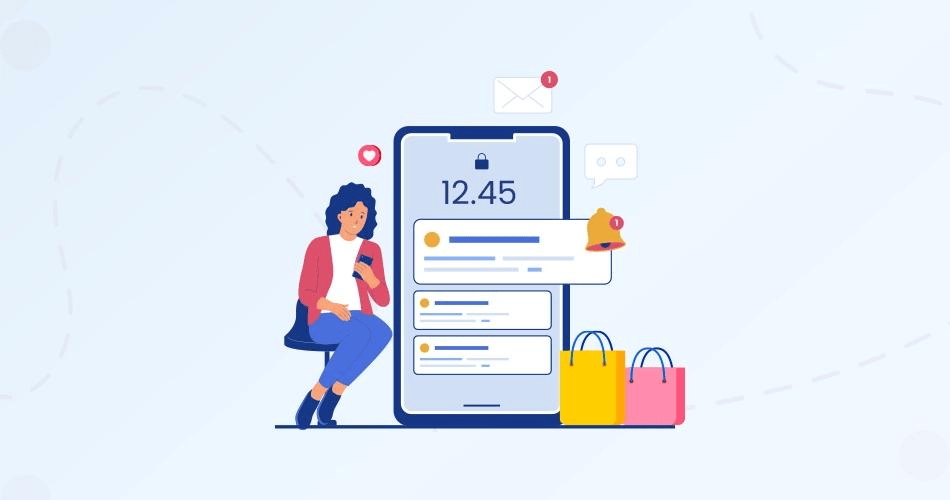
In today’s competitive e-commerce landscape, getting traffic to your store is only half the battle. The real challenge lies in converting visitors into paying customers — and keeping them coming back.
One of the most powerful yet underutilized tools for achieving this is push notifications.
When used strategically, push notifications can dramatically improve engagement, recover lost sales, and increase customer lifetime value.
What Are Push Notifications?
Push notifications are short, clickable messages sent directly to a user’s device — mobile or desktop — even when they are not actively browsing your website or app.
For e-commerce businesses, they act as a direct communication channel between your store and your customers. Unlike email or social media posts, push notifications are immediate, visible, and highly engaging.
Why Push Notifications Matter for E-commerce
1. Instant Customer Reach
Push notifications appear directly on the user’s screen, making them one of the fastest ways to grab attention. Whether it’s a flash sale, a new product launch, or a price drop, your message reaches customers instantly.
2. Higher Engagement Rates
Compared to emails, push notifications typically have significantly higher click-through rates. This is because they are less cluttered and more direct, reducing friction between message and action.
3. Improved Conversion Rates
A well-timed push notification can guide customers back to your store at the perfect moment — especially when they are close to making a purchase decision.
For example:
- Reminder about abandoned carts
- Limited-time discount alerts
- Back-in-stock notifications
These triggers directly influence purchase behavior.
How Push Notifications Drive Sales Growth
Abandoned Cart Recovery
One of the biggest revenue leaks in e-commerce is abandoned carts.
Push notifications can gently remind users about items they left behind, often with added incentives like discounts or free shipping.
This simple reminder can recover a significant percentage of lost sales.
Personalized Offers
Personalization is key in modern marketing. Push notifications allow segmentation based on user behavior, such as:
- Browsing history
- Past purchases
- Wishlist activity
This ensures customers receive relevant offers instead of generic promotions, increasing the likelihood of conversion.
Real-Time Marketing
Push notifications enable real-time engagement. Whether it’s a flash sale or a limited-stock alert, urgency drives action.
Customers are more likely to buy when they feel they might miss out.
Customer Retention and Loyalty
Acquiring new customers is expensive. Push notifications help retain existing customers by keeping your brand top-of-mind through:
- Loyalty rewards
- Exclusive deals
- Product updates
Repeat customers often generate more revenue than first-time buyers, making retention strategies essential.
Best Practices for High-Converting Push Notifications
To maximize effectiveness, follow these proven strategies:
- Keep messages short and clear
- Use strong action-oriented language
- Time notifications wisely
- Avoid over-sending (prevent notification fatigue)
- Segment your audience for relevance
- Include urgency when appropriate (limited time, low stock, etc.)
A poorly timed notification can annoy users, while a well-crafted one can significantly boost conversions.
The Mobile App Advantage
While browser-based push notifications are useful, they are far more powerful when delivered through a dedicated mobile app.
A mobile app allows:
- Better personalization
- Faster delivery
- Higher engagement rates
- Stronger brand presence on customer devices
For e-commerce stores, especially those built on platforms like CS-Cart, having a mobile app turns push notifications into a full-scale marketing engine.
Final Thoughts
Push notifications are no longer optional — they are a critical part of a successful e-commerce marketing strategy.
When used correctly, they can:
- Increase conversion rates
- Boost customer retention
- Recover lost sales
- Strengthen brand engagement
However, the real impact comes when they are combined with a mobile-first strategy.
If you’re ready to transform your store into a high-converting mobile experience, now is the time to take action.
Contact us today or request your ready-to-launch e-commerce mobile app solution and start boosting your sales ????
Why Customers Buy More from Mobile Apps (And Why Your CS-Cart Store Needs One)
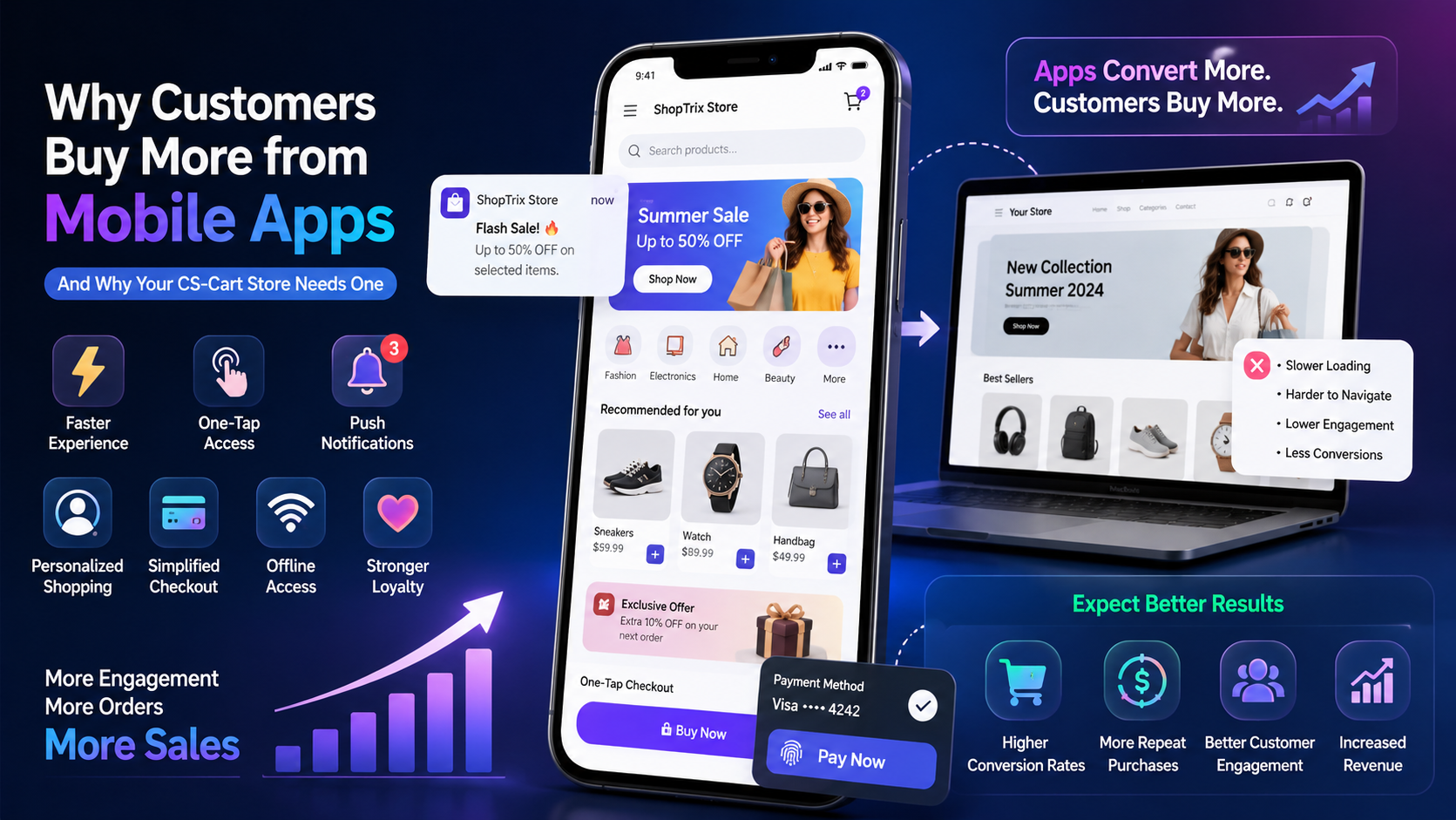
In today’s mobile-first world, customer expectations have changed dramatically. Shoppers are no longer satisfied with slow-loading websites or complicated checkout processes.
They want speed, convenience, and a personalized experience—all in the palm of their hand.
That’s exactly why mobile apps are outperforming traditional websites when it comes to conversions, customer loyalty, and overall revenue.
If you’re running a CS-Cart store, this is your opportunity to unlock a powerful growth channel.
The Shift to Mobile Commerce
Mobile commerce (m-commerce) is no longer a trend—it’s the dominant way people shop online.
A growing percentage of online purchases now happen through smartphones, and apps are leading that experience.
Why?
Because apps are built specifically for mobile users, while websites are often just adapted for smaller screens.
Why Customers Prefer Apps Over Websites
1. Faster and Smoother Experience
Speed matters. Every second of delay can reduce conversions.
Mobile apps load significantly faster than websites because:
- Data is stored locally
- Interfaces are optimized for performance
- There’s no need to reload pages constantly
This results in a seamless shopping experience that keeps customers engaged—and buying.
2. One-Tap Access = More Frequent Visits
When customers install your app, your store becomes instantly accessible.
No typing URLs.
No searching again.
Just one tap.
This convenience leads to:
- More frequent browsing
- Higher engagement
- Increased chances of repeat purchases
3. Push Notifications That Drive Sales
Push notifications are one of the most powerful marketing tools available.
With apps, you can instantly reach customers with:
- Flash sales
- Abandoned cart reminders
- Exclusive offers
- New product launches
Unlike emails (which can be ignored), push notifications have significantly higher open rates—making them a direct driver of revenue.
4. Personalized Shopping Experience
Apps allow you to deliver a highly personalized experience based on user behavior.
You can:
- Recommend products based on past purchases
- Show tailored offers
- Customize content for each user
This level of personalization builds trust and increases conversion rates.
5. Simplified Checkout = Higher Conversions
One of the biggest reasons for cart abandonment is complicated checkout.
Mobile apps simplify this process with:
- Saved addresses
- Stored payment methods
- Faster checkout flows
The result? More completed purchases and fewer lost customers.
6. Offline Accessibility
Unlike websites, apps can offer limited offline functionality.
Customers can:
- Browse previously loaded products
- Add items to cart
This keeps them connected to your store—even without internet access.
7. Stronger Brand Loyalty
Having an app installed on a customer’s phone creates a stronger connection with your brand.
Your brand becomes:
- More visible
- More trusted
- Part of their daily routine
This leads to higher retention and lifetime value.
Why Your CS-Cart Store Needs a Mobile App
If you’re already running a CS-Cart store, you’ve done the hard part—building your online business.
Now it’s time to scale it.
A dedicated mobile app can help you:
- Increase conversion rates
- Boost customer retention
- Improve user experience
- Unlock new revenue streams
The Smart Way: Ready-to-Launch Mobile Apps
Building an app from scratch can be expensive and time-consuming.
That’s where ready-to-launch solutions come in.
With platforms like ShopTrix, you can:
- Convert your CS-Cart store into a mobile app quickly
- Customize branding easily
- Launch on iOS and Android without complex development
This means you get all the benefits of a mobile app—without the usual hassle.
Business Impact: What You Can Expect
Store owners who adopt mobile apps often see:
- Higher average order values
- Increased repeat purchases
- Better customer engagement
- Improved marketing ROI
Simply put: more sales, more often.
Final Thoughts
Customers buy more from apps because apps remove friction.
They make shopping faster, easier, and more enjoyable.
If you want your CS-Cart store to stay competitive and grow in today’s market, a mobile app is no longer optional—it’s essential.
Contact us today or request your app demo and start boosting your sales ????
The Power of In-App Loyalty Programs for E-Commerce Growth
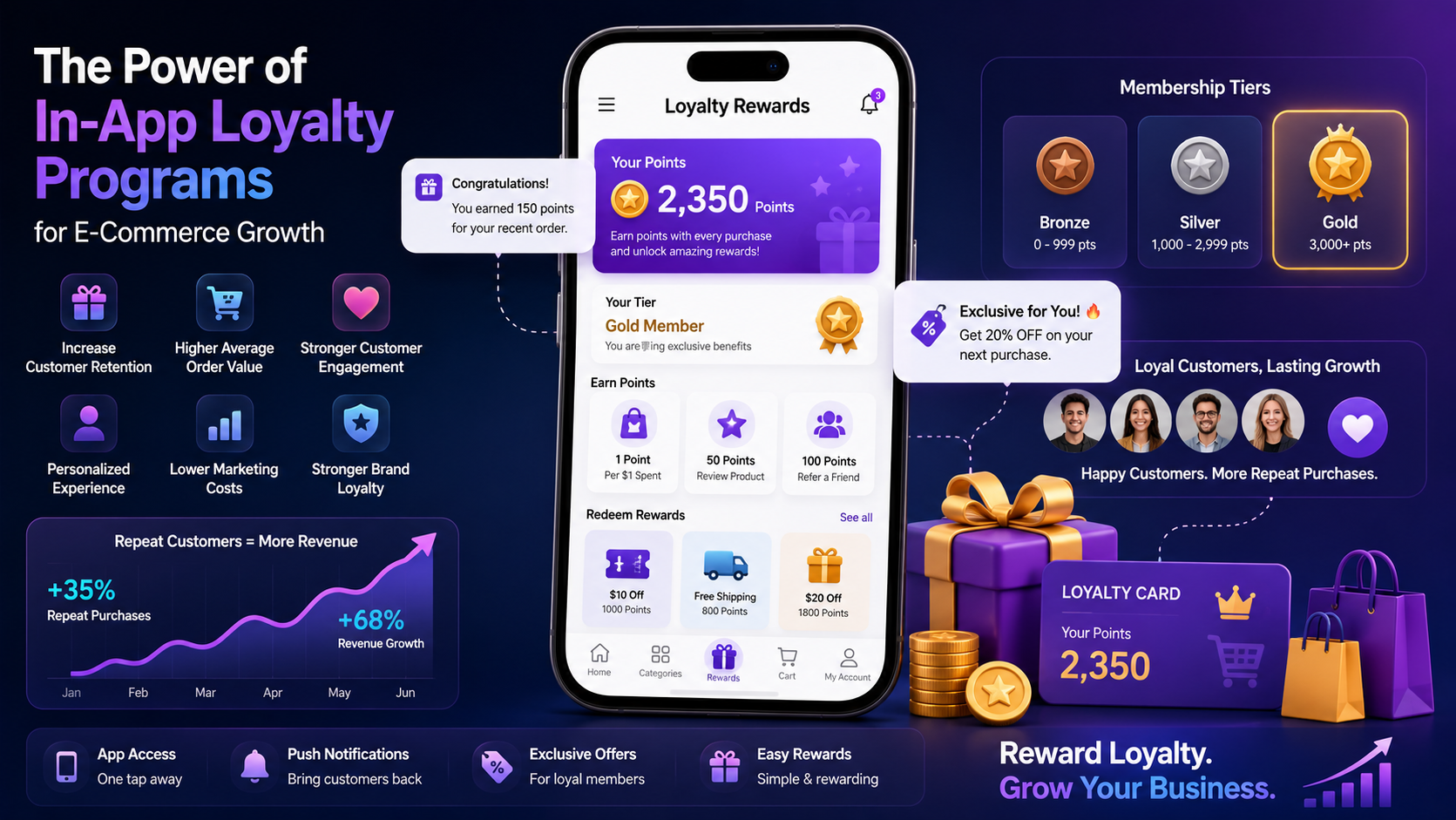
In today’s competitive e-commerce landscape, attracting customers is only half the battle — keeping them is where real growth happens.
Store owners are constantly looking for ways to increase repeat purchases, improve customer engagement, and build long-term relationships.
One of the most effective strategies? Loyalty programs within mobile apps.
By integrating loyalty features directly into your app, you create a seamless and rewarding shopping experience that keeps customers coming back — again and again.
What Are In-App Loyalty Programs?
In-app loyalty programs are reward systems built directly into your mobile application. Instead of relying on email-based or third-party rewards systems, everything happens inside your branded app.
Common features include:
- Points for purchases
- Exclusive app-only discounts
- Referral rewards
- Tier-based memberships
- Personalized offers
These features encourage users to engage more frequently and spend more over time.
Why Loyalty Programs Work So Well in Mobile Apps
Mobile apps create a direct and personal connection with your customers. When combined with loyalty programs, they become a powerful tool for growth.
1. Increased Customer Retention
Acquiring a new customer can cost up to 5x more than retaining an existing one. Loyalty programs give customers a reason to return.
When users know they’re earning rewards with every purchase, they’re far less likely to shop elsewhere.
2. Higher Average Order Value (AOV)
Customers are more likely to spend more when they’re close to earning a reward.
For example:
- “Spend $10 more to earn 100 points”
- “Unlock free shipping after your next purchase”
These small incentives can significantly increase your revenue.
3. Stronger Customer Engagement
Push notifications, in-app messages, and reward updates keep your brand top-of-mind.
Instead of waiting for customers to return, your app actively brings them back.
4. Personalized Shopping Experience
With app data, you can tailor rewards based on:
- Purchase history
- Browsing behavior
- Preferences
Personalization makes customers feel valued — and valued customers stay loyal.
5. Competitive Advantage
Many e-commerce stores still rely only on websites. Having a mobile app with built-in rewards instantly sets you apart.
It gives your brand a premium, modern feel that builds trust and credibility.
Business Impact: What This Means for Your Store
Let’s translate these benefits into real business results:
- More repeat purchases → consistent revenue
- Higher customer lifetime value (CLV)
- Reduced marketing costs
- Stronger brand loyalty
- Better customer insights
In short: You earn more while spending less.
Why Loyalty Programs Perform Better Inside Apps (vs Websites)
Instant Access
Customers don’t need to log in repeatedly — everything is one tap away.
Push Notifications
Unlike emails (which often get ignored), app notifications have much higher open rates.
Faster Experience
Apps are smoother and quicker than mobile websites, reducing friction in the buying process.
Always Visible
Your app icon sits on the user’s phone — a constant reminder of your brand.
How CS-Cart Store Owners Can Benefit
If you’re running a CS-Cart store, integrating a mobile app with a loyalty program is one of the smartest moves you can make.
Instead of building from scratch, ready-to-launch app solutions allow you to:
- Quickly convert your store into a mobile app
- Add loyalty features effortlessly
- Customize branding to match your business
- Launch faster with lower costs
This means you can focus on growing your business — not managing complex development.
Best Practices for a Successful Loyalty Program
To get the most out of your app-based loyalty program:
Keep It Simple
Customers should easily understand how to earn and redeem rewards.
Offer Real Value
Discounts, exclusive deals, and meaningful rewards matter.
Promote It Everywhere
Highlight your loyalty program on your website, social media, and email campaigns.
Use Data Wisely
Continuously optimize based on customer behavior.
The Future of E-Commerce Is Mobile + Loyalty
The shift toward mobile commerce is undeniable. Customers expect convenience, speed, and personalization — all in one place.
A mobile app with a built-in loyalty program delivers exactly that.
It’s not just a trend. It’s a long-term growth strategy.
Contact us today or request your custom mobile app and start building stronger customer relationships and higher retention.